Can Brain Stroke Patients Drink Alcohol?
Brain strokes are life-threatening events that require careful management and lifestyle changes to prevent future complications. One of the most common questions stroke patients have is whether they can consume alcohol after a stroke. While moderate alcohol consumption may not pose an immediate danger to some individuals, it can significantly impact recovery and increase the risk of another stroke. Consulting the Best Neurologist in Delhi is crucial for personalized medical advice.
Understanding the Effects of Alcohol on Stroke Patients
Alcohol affects the body in multiple ways, many of which are harmful to individuals recovering from a stroke. Here’s how alcohol consumption can impact stroke recovery:
Increases Blood Pressure: High blood pressure is a leading cause of strokes. Alcohol can raise blood pressure levels, putting additional strain on the arteries and increasing the chances of another stroke.
Interferes with Medications: Many stroke patients take blood thinners, cholesterol-lowering drugs, and other medications. Alcohol can interfere with these medications, reducing their effectiveness or causing harmful side effects.
Causes Blood Sugar Fluctuations: Alcohol affects blood sugar levels, which is particularly dangerous for diabetic stroke patients.
Leads to Dehydration: Dehydration can increase the risk of blood clot formation, which is a major concern for stroke survivors.
Affects Brain Function: Alcohol impairs brain function, which is especially problematic for stroke patients who are already experiencing cognitive challenges.
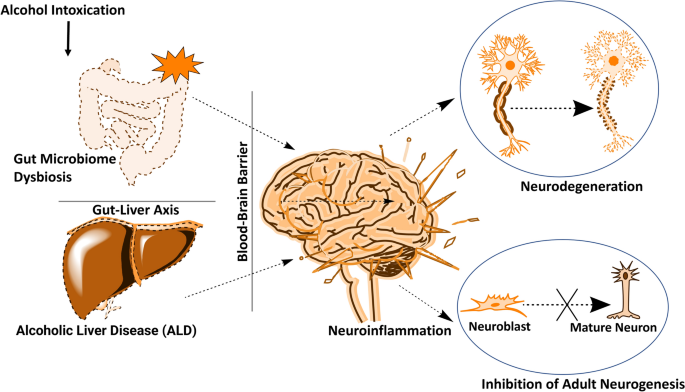
Should Stroke Patients Avoid Alcohol Completely?
The decision to consume alcohol after a stroke should be made carefully and in consultation with a Brain Stroke Doctor in Delhi. In many cases, it is recommended to either completely avoid alcohol or significantly limit its intake.
Factors that determine whether a stroke patient can drink alcohol include:
The severity of the stroke
Underlying health conditions such as hypertension, diabetes, or heart disease
The type of stroke experienced (ischemic or hemorrhagic)
Medications being taken for stroke recovery
How Alcohol Increases Stroke Risk
Excessive alcohol consumption can increase the risk of a stroke in multiple ways:
1. Raises Blood Pressure
Chronic alcohol consumption is known to elevate blood pressure, a major risk factor for both ischemic and hemorrhagic strokes. High blood pressure weakens blood vessels, making them more susceptible to rupture.
2. Increases the Risk of Atrial Fibrillation (AFib)
Alcohol can trigger atrial fibrillation, an irregular heartbeat condition that significantly increases the risk of stroke due to clot formation in the heart.
3. Leads to Obesity and Diabetes
Alcohol is high in calories and can contribute to weight gain and obesity. It also affects insulin regulation, increasing the likelihood of diabetes, another major stroke risk factor.
4. Weakens the Blood-Brain Barrier
The blood-brain barrier protects the brain from harmful substances. Chronic alcohol consumption can weaken this barrier, making the brain more vulnerable to toxins and damage.
5. Increases Risk of Hemorrhagic Stroke
Heavy drinking can cause blood vessel rupture, leading to a hemorrhagic stroke. This type of stroke is often more severe and has a lower survival rate.
How Much Alcohol is Safe?
For stroke patients who receive clearance from their Best Neurologist in Delhi, moderate alcohol consumption may be permitted. The general guidelines for safe alcohol intake are:
Men: No more than two standard drinks per day
Women: No more than one standard drink per day
Preferable Choices: Red wine in moderation, as it contains antioxidants that may provide some cardiovascular benefits
However, patients should always check with their Migraine Specialist Doctor in Delhi or Dementia Specialist Doctor in Delhi to ensure alcohol consumption does not interfere with their overall health condition.
Alternatives to Alcohol for Stroke Patients
Instead of alcohol, stroke patients can enjoy healthier alternatives that provide relaxation and social enjoyment without increasing health risks:
Herbal teas (such as chamomile or green tea)
Fresh fruit juices with no added sugar
Infused water with lemon, mint, or cucumber
Mocktails made with natural ingredients
When to Consult a Neurologist?
If you or a loved one has suffered a stroke, it is essential to seek guidance from the Best Epilepsy Specialist Doctor in Delhi to manage post-stroke care effectively. A neurologist can help assess whether alcohol consumption is safe based on your medical history, medication regimen, and overall health.
Final Verdict: Is Alcohol Safe for Stroke Patients?
While moderate alcohol consumption may be safe for some stroke patients under medical supervision, excessive drinking significantly increases the risk of complications. The safest approach is to avoid alcohol altogether or consume it in moderation only if permitted by a Headache Specialist Doctor in Delhi or other relevant specialists. Stroke recovery requires a healthy lifestyle, and reducing alcohol intake is an important step toward better health and long-term well-being.
For expert guidance and stroke management, consult the Best Neurologist in Delhi today. Your health is your greatest asset—prioritize it wisely!


Comments
Post a Comment