What Happens When You Have a Cluster Headache?
Cluster headaches are one of the most intense types of headaches you can experience. They’re rare but excruciating, often described as a sharp, burning pain that feels like a drill piercing one side of your head. Understanding what happens during a cluster headache and how to manage it is essential for those affected by this condition.
What Are Cluster Headaches?
A cluster headache is a severe headache that occurs in cyclical patterns or “clusters.” The pain often starts suddenly, without much warning, and lasts anywhere from 15 minutes to three hours. People might experience these headaches multiple times a day over weeks or months, followed by periods of remission.
If you’re dealing with recurring headaches, it’s time to see a Headache Specialist Doctor in Delhi for proper diagnosis and treatment.
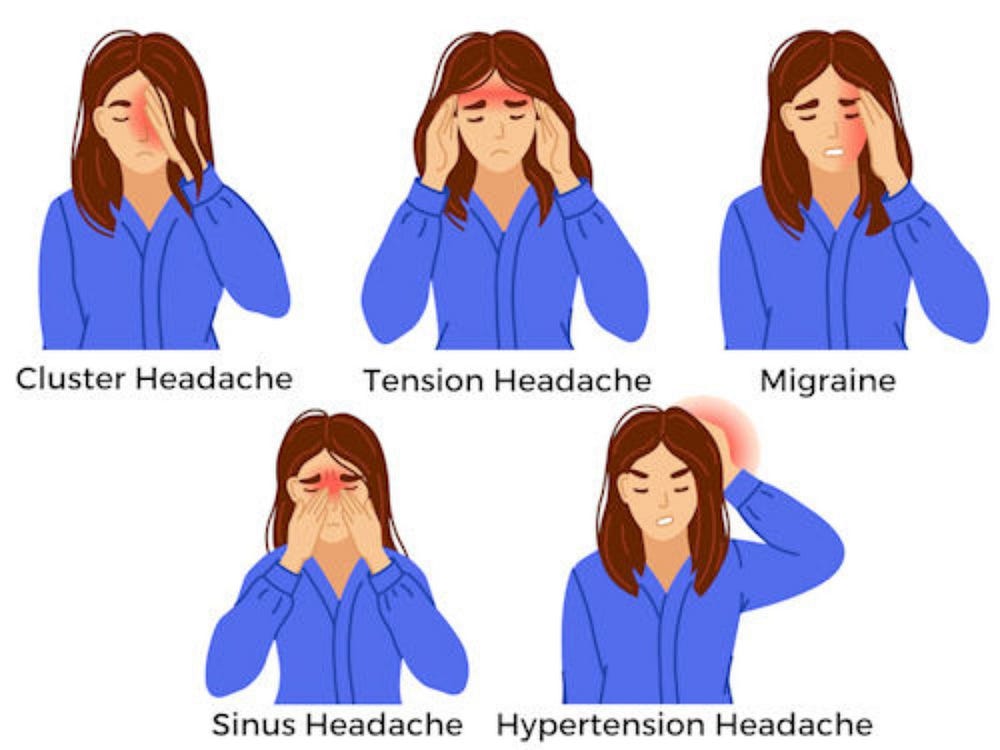
Symptoms of Cluster Headaches
Cluster headaches come with distinct symptoms that set them apart from other types of headaches:
- Intense Pain on One Side
The pain is usually concentrated around one eye or on one side of the head. It’s often described as stabbing or burning. - Restlessness
People experiencing cluster headaches often feel agitated and unable to sit still during an attack. - Eye and Nasal Symptoms
- Redness or tearing in the affected eye.
- A runny or stuffy nose on the same side as the pain.
- Drooping eyelids.
- Sudden Onset
Cluster headaches strike quickly and peak in intensity within minutes.
For a thorough evaluation and treatment, consult the Best Neurology Doctor in Delhi or a specialist in headaches.
What Triggers Cluster Headaches?
Although the exact cause is unclear, several factors can trigger cluster headaches:
- Biological Factors
The hypothalamus, a part of your brain that controls biological rhythms, is believed to play a role. This could explain why cluster headaches often occur at the same time each day. - Alcohol and Smoking
Alcohol is a common trigger during a cluster period. Heavy smoking can also increase the risk. - Stress or Emotional Distress
High stress levels may worsen cluster headaches for some individuals. - Seasonal Changes
Cluster headaches may be more common during certain seasons, possibly linked to changes in daylight or weather.
If these triggers sound familiar, consulting the Best Neuro Doctor in Delhi could help you identify your triggers and develop a prevention plan.
What Happens to Your Body During a Cluster Headache?
During a cluster headache, several physiological changes occur:
- Blood Vessel Dilation
The blood vessels in your head dilate, causing intense pressure and pain. - Nerve Involvement
The trigeminal nerve, which controls sensations in your face, becomes irritated, leading to pain and other symptoms like watery eyes or nasal congestion. - Autonomic Nervous System Activation
The autonomic nervous system reacts, causing redness in the eyes, sweating, and other symptoms on the affected side.

How Is a Cluster Headache Diagnosed?
Diagnosing cluster headaches involves a detailed discussion of your symptoms and medical history. Tests like MRI or CT scans may be recommended to rule out other conditions.
For specialized care, reach out to a Headache Specialist Doctor in Shalimar Bagh, who can guide you through an effective treatment plan.
Treatment Options for Cluster Headaches
Although there’s no cure for cluster headaches, various treatments can help reduce the frequency and severity of attacks:
- Acute Treatments
- Oxygen Therapy: Breathing pure oxygen can quickly relieve symptoms.
- Medications: Triptans (like sumatriptan) can stop a headache in progress.
- Preventive Medications
- Calcium channel blockers (e.g., verapamil) can help prevent attacks.
- Steroids may be used for short-term prevention.
- Lifestyle Changes
Avoiding alcohol, managing stress, and maintaining a consistent sleep schedule can reduce cluster headache episodes. - Neurology Consultations
Consulting the Best Neuro Physician in Delhi ensures access to advanced treatments tailored to your condition.
Coping Strategies for Cluster Headaches
Living with cluster headaches is challenging, but certain strategies can help:
- Keep a Diary: Track your headache patterns, triggers, and symptoms to better understand your condition.
- Plan Ahead: Carry acute medications or oxygen supplies if you’re prone to attacks.
- Seek Support: Join support groups for people with cluster headaches to share experiences and coping tips.
For ongoing support, seek help from the Best Neurologist in Delhi, who specializes in treating complex headache disorders.
How Cluster Headaches Differ From Migraines
While cluster headaches and migraines both involve severe head pain, they are entirely different conditions
Understanding these differences helps healthcare providers, like a Headache Specialist Doctor in Delhi, recommend the right treatment.
Internal Link: Related Neurological Care
To explore more about managing neurological conditions, check out our blog on Headache Specialist Doctor in Shalimar Bagh for detailed insights.
Final Thoughts
Cluster headaches may be rare, but their impact on daily life is significant. Understanding your symptoms, triggers, and treatment options is the first step toward managing this debilitating condition. Seeking help from the Best Neurologist in Delhi or a trusted headache specialist ensures you receive the best possible care.
Don’t let cluster headaches control your life. With the right treatment plan and professional guidance, you can minimize their impact and live pain-free.


Comments
Post a Comment